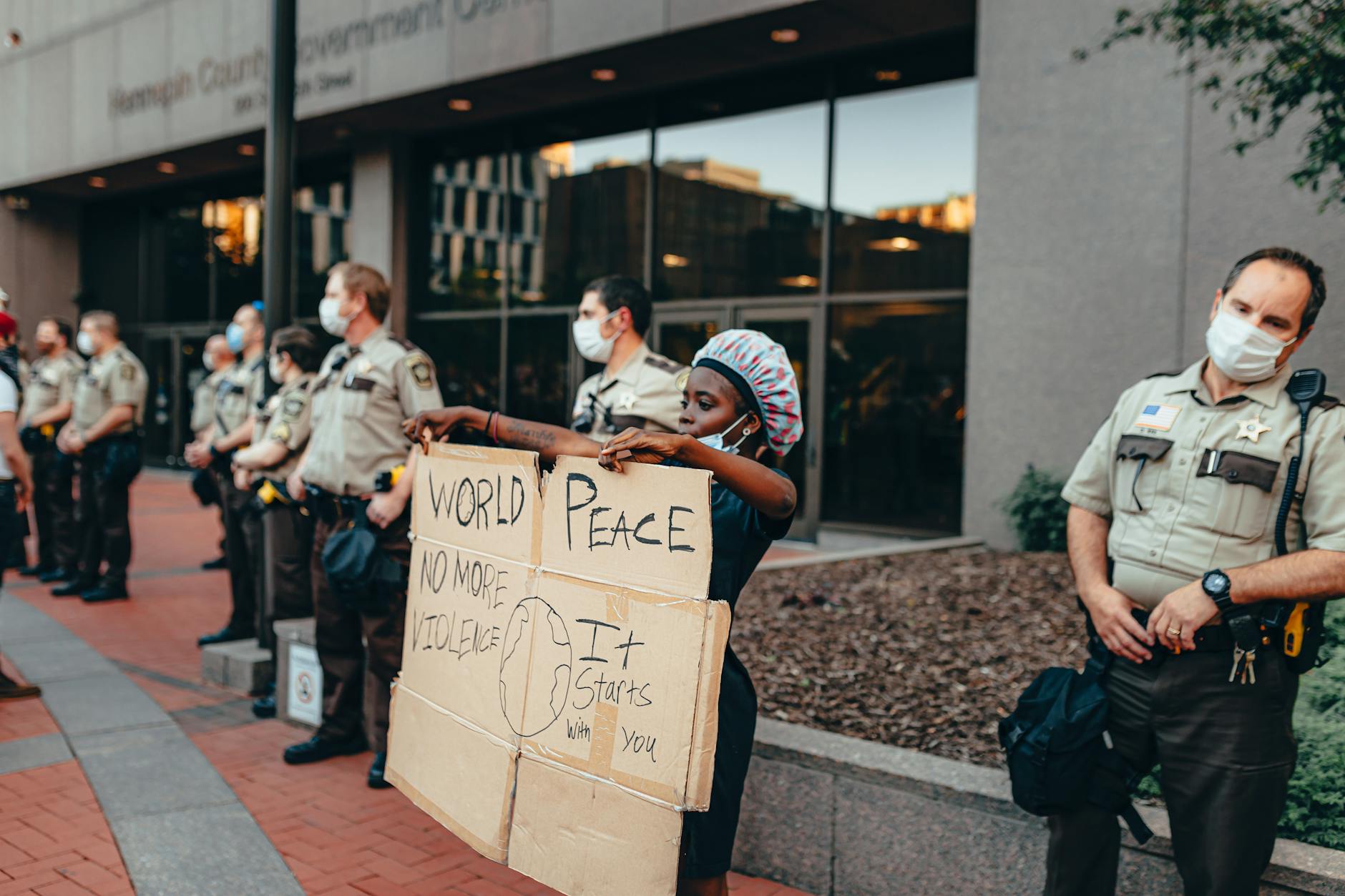
In a significant development affecting immigration enforcement practices, the 8th U.S. Circuit Court of Appeals has temporarily lifted a restraining order that previously safeguarded peaceful protesters in Minneapolis from aggressive tactics by federal immigration agents. The ruling comes amid ongoing tensions stemming from heightened federal enforcement actions, which have seen thousands of Border Patrol and Immigration and Customs Enforcement (ICE) agents deployed in the area—over the objections of local leaders.
Background on the Court Order
On January 14, 2026, U.S. District Judge Kate Menendez had issued a preliminary injunction aimed at protecting constitutional rights, which restricted federal agents from employing methods such as tear gas or arrests against nonviolent demonstrators and bystanders during immigration enforcement activities. This mandate was intended to remain in place while the greater issues surrounding the plaintiffs' lawsuit were contemplated in court.
However, on January 21, the appeals court paved the way for the Department of Homeland Security (DHS) to resume their tactics, asserting that Menendez's injunction had "handcuffed" agents in their lawful duties. U.S. Attorney Pam Bondi applauded the decision, portraying it as a necessary measure to ensure that ICE agents could perform their roles amid potential "obstructive and violent interference from agitators."
Escalating Confrontations
The protests against the federal immigration crackdown have largely been peaceful but have faced notable escalations, most tragically underscored by the fatal shooting of 37-year-old Renee Good by an ICE agent on January 7. Good, a U.S. citizen and mother of three, was participating in a neighborhood patrol to observe ICE raids at the time of her shooting.
Adding to the public outcry, a recent raid by federal agents at a Minneapolis residence ended in chaos when officers incorrectly detained 56-year-old ChongLy "Scott" Thao, leaving him in freezing conditions outside his home without clothing. Thao later recounted that the agents allegedly did not present a warrant for his detention.
Reevaluating Enforcement Protocols
Recent internal documents reveal that ICE has been granted new legal leeway regarding home entries for deportation purposes. An internal memo from Acting ICE Director Todd Lyons, marked as dated May 12, 2025, states that officers may now enter homes to conduct arrests based on administrative warrants, forgoing the previously required court orders. This deviation from historical policy opens the door for potential constitutional challenges, particularly regarding the 4th Amendment protections against unreasonable searches and seizures.
Tricia McLaughlin, Assistant Secretary for Homeland Security, defended the approach, insisting that individuals arrested by ICE agents using administrative warrants had undergone due process and had been ordered removed by immigration judges.
Political Fallout
The escalation of federal enforcement activities in Minneapolis has not only ignited public protests but has also invoked a political firestorm, particularly in a state where leaders have actively opposed the administration's actions. The governors of Minnesota and the Twin Cities have initiated their legal action against the federal administration, posing allegations of rights violations amid the uptick in immigration raids.
In separate developments, the Trump administration has initiated criminal inquiries into state leaders such as Minnesota Governor Tim Walz and Minneapolis Mayor Jacob Frey. Grand jury subpoenas have recently been issued, probing whether these officials' opposition to ICE actions may constitute criminal obstruction of federal law enforcement.
Trump's administration has framed its immigration enforcement policy as a necessary response to concerns over fraud and misuse of federal resources, particularly targeting communities of Somali origin—a demographic that has become central to the narrative surrounding the enforcement actions. His derogatory language towards this community has sparked widespread condemnation and further strained relations between state and federal authorities.
Conclusion
As legal battles unfold, and tensions in Minneapolis continue to rise, the evolving landscape of immigration enforcement presents significant challenges to the intersection of law, rights, and public safety. Advocates for civil liberties express deep concerns regarding the impact of these policies, while federal authorities defend their actions as key to enforcing national immigration laws. The situation remains fluid, with both activism and litigation poised to shape the next chapter in this contentious issue.
For further information and updates, please check the latest reporting on this developing story.


