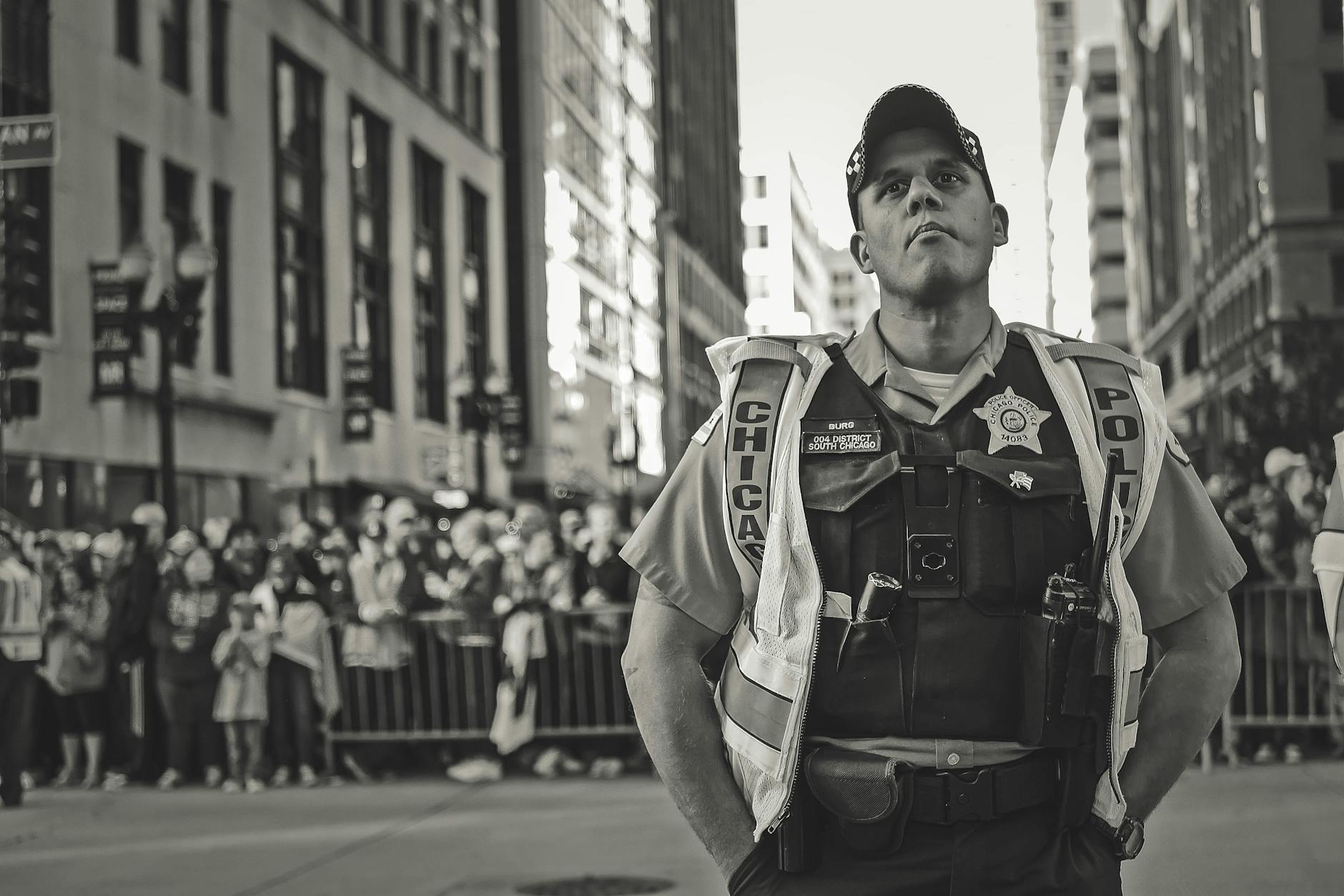
In a significant ruling from the U.S. Supreme Court, justices have blocked former President Donald Trump's attempt to deploy National Guard troops to the Chicago area. The decision, made on December 23, 2025, marks a notable defeat for the Trump administration and has sparked a vigorous debate surrounding presidential power, state rights, and the militarization of local law enforcement.
Background of the Case
The harmful deployment of National Guard troops under President Trump is a longstanding contention, particularly in Democratic-led jurisdictions. Trump's administration has faced criticism for deploying military forces to cities like Chicago, Portland, and Los Angeles during civil unrest protests, a move many view as an abuse of presidential power aimed at retaliating against political opponents.
Illinois officials, led by Governor JB Pritzker, took action against the proposed deployment of over 300 National Guard members, arguing that such a move was unnecessary and symbolized an overreach of authority. "This ruling represents an important step in curbing the Trump Administration's consistent abuse of power," Pritzker stated, highlighting growing concerns over authoritarianism.
Supreme Court's Verdict
The Supreme Court, in an unsigned order, affirmed a lower court’s decision that had temporarily barred the troop deployment. "At this preliminary stage, the Government has failed to identify a source of authority that would allow the military to execute the laws in Illinois," the order noted. The majority opinion pointed out that presidential authority to mobilize federal troops should only be invoked in "exceptional" circumstances, which did not apply in this case.
Interestingly, three justices—Samuel Alito, Clarence Thomas, and Neil Gorsuch—dissented from the majority's ruling, indicating a rift even within the typically conservative court framework.
White House spokesperson Abigail Jackson asserted that the ruling did not detract from Trump's goals of enforcing immigration laws and safeguarding federal property from violent protests, countering that public safety remains a priority.
Context of the Protests
The controversy stems from differing characterizations of the protests occurring in Chicago. The Trump administration has painted a picture of violent unrest, alleging that lawlessness is rampant in major Democratic cities. In contrast, local authorities and opposition leaders have described the protests as largely peaceful and manageable, labeling the federal response as an unjustified show of force.
Federal judges have previously expressed skepticism toward the administration’s view. U.S. District Judge April Perry ruled that there was a lack of evidence to support claims of violence at an immigration detention facility in Broadview, Illinois—where protests had been widespread. Perry highlighted the critical distinction between peaceful expression and violent action, suggesting that the situation did not warrant a military intervention.
Implications of the Decision
The Supreme Court's ruling reinforces the idea that state governance must be respected and serves as a check on executive power. This decision may have broader implications for the balance of power between state and federal jurisdiction, especially concerning the military’s role in domestic issues.
Additionally, Trump's administration has frequently sought the court's intervention to implement policies that lower courts have blocked. Nonetheless, the Supreme Court has sided with the Trump administration only in a limited number of cases since he took office again in 2025.
Local and National Reactions
The ruling has elicited mixed reactions, with supporters of the decision viewing it as a win for state sovereignty and civil liberties, whereas Trump supporters express concerns about the potential for increased crime in areas where federal intervention is restricted.
The ongoing legal battle reflects deeper challenges that the Biden administration faces concerning the militarization of local police forces. As separate legal challenges arise surrounding deployments in other Democratic-led cities like Portland, this decision will likely stimulate further discourse about appropriate boundaries for federal intervention in state affairs.
As the conversation around civil rights, law enforcement, and government authority continues to unfold in the wake of this ruling, it remains clear that both Presidents and state leaders will need to navigate these sensitive issues with care.
For further details on the Supreme Court’s order, you can read the official document here. To stay updated on developments in this ongoing story, sign up for the Reuters Daily Briefing.


